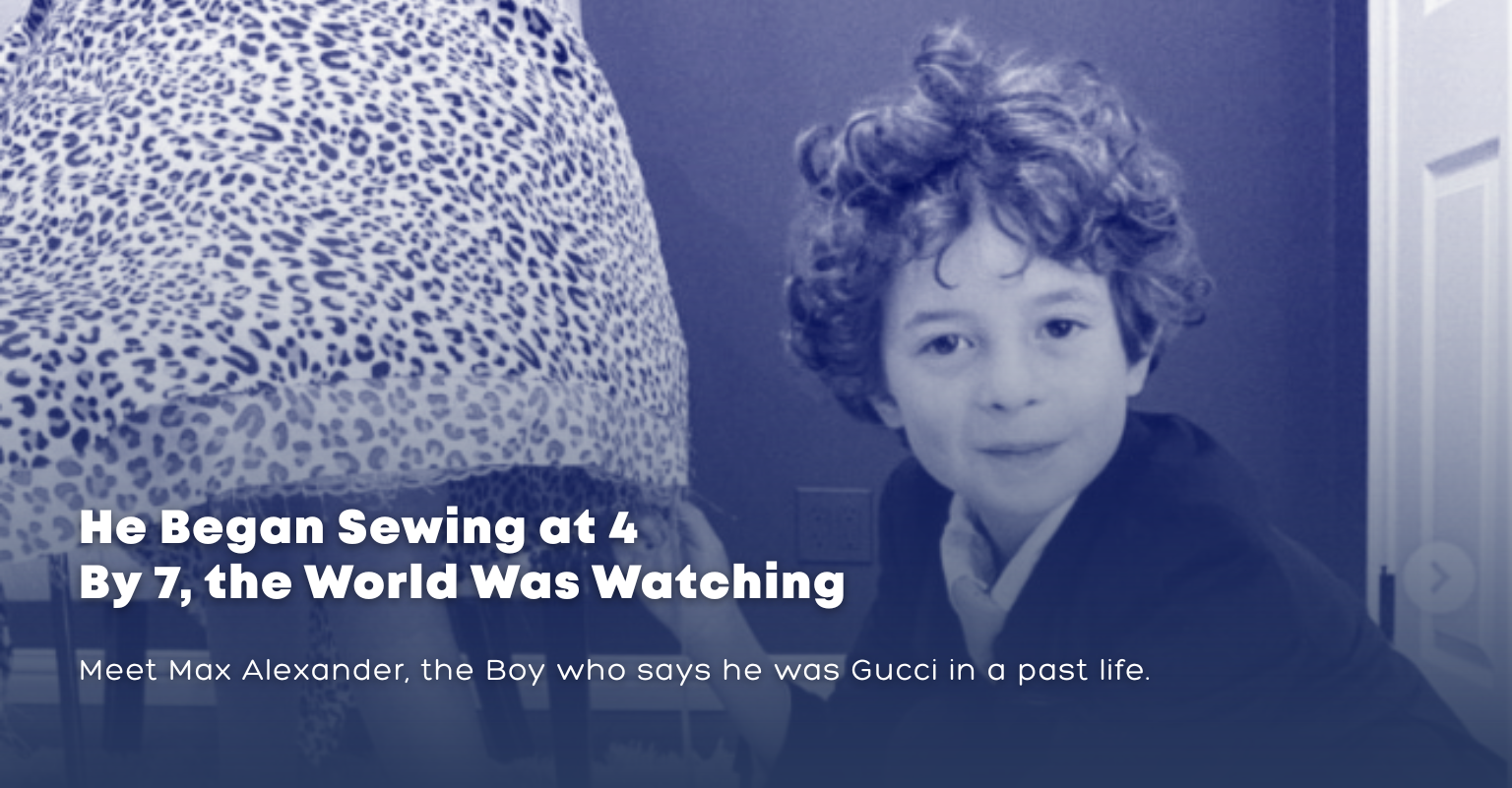
At dinner during lockdown, “I need a mannequin,” the four-year-old boy announced.
No preamble. No giggling. No hint of play.
The certainty was striking, as if he were stating something already known to him, simply awaiting the tools to be revealed. “Okay, I’ve never seen you interested in fashion. What are you talking about?” his mom asked. He replied, “That’s because I don’t have a mannequin. If you get me a mannequin, I’ll show you. I’m a dressmaker.”
Max shared something else with equal conviction: he believed he had been Gucci in a past life.
For a parent, these moments might feel surreal. For Madison, they were invitations to listen.
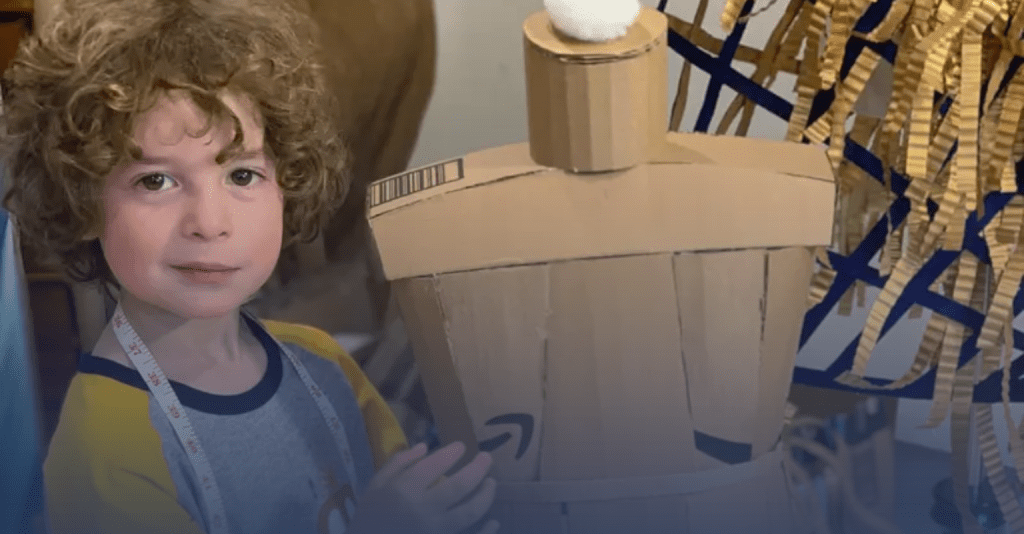
A cardboard artist by profession, she did what she knew best — she built.
Max’s first mannequin was made from cardboard.
It was enough.
Soon, fabric began to move in new ways. Shapes formed. Dresses emerged. What began as a child’s declaration quietly unfolded into a language he seemed to already understand.
A Quiet Lineage of Making
Creativity did not arrive in Max’s life with fanfare. It revealed itself quietly — through instinct, through hands that seemed to understand material before language could explain it.
His mother, Sherri Madison — known to many as The Cardboard Queen from HBO Max’s Craftopia Season 2, builds sculptural worlds from recycled materials, turning cardboard into structure and storytelling. His father, Canadian by heritage, adds another cultural thread to the fabric of their home.
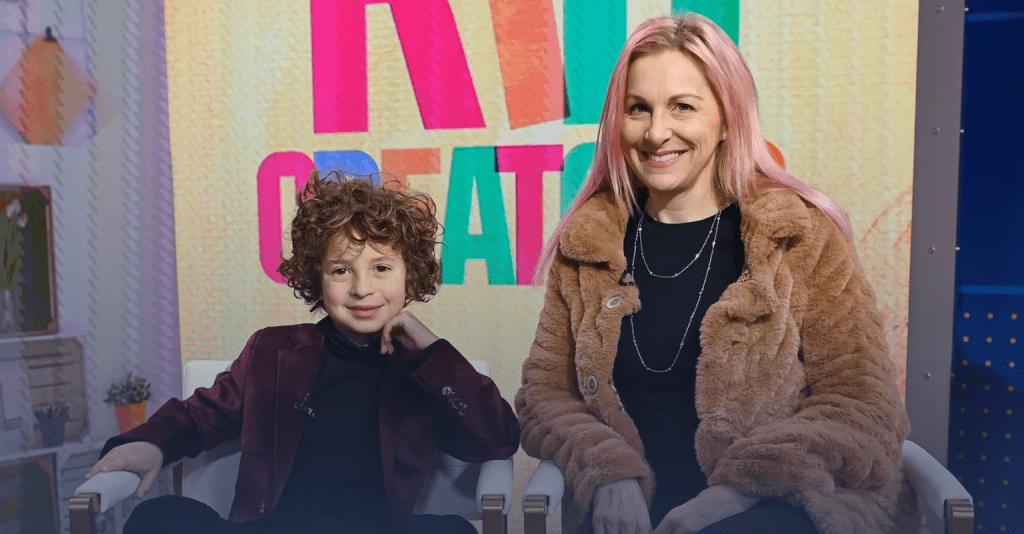
Max is the middle child, with an older sister and a younger brother, Dorian. His sister became one of his first muses, among the earliest to wear his creations. Dorian now helps behind the scenes, supporting the growing work of Couture to the Max.
Support arrives not through grand gestures, but through everyday acts — materials gathered, ideas encouraged, time protected. Madison helps source fabrics and manage the brand’s Instagram, ensuring the work reaches the world while allowing Max to remain a child within it.
Only later did another layer surface.
Creativity had deeper roots.
Max’s grandparents were in the fashion business in Montreal, and his great-grandfather, Jack, was a dress pattern maker who owned more than forty dress stores.
Max didn’t know any of this.
“It came out of nowhere,” Madison says.
Or perhaps from somewhere quieter — the invisible inheritance of hands that make, shape, and imagine.
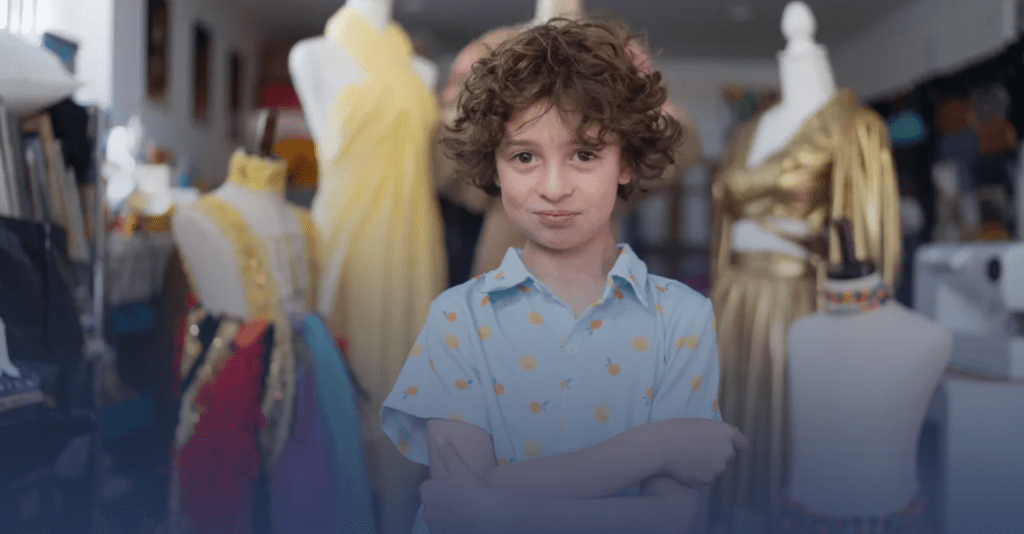
A Child Who Sees in Stories, Not Seams
When Max imagines a dress before making it, he doesn’t begin with technique.
He sees color. Shape. Story.
Often, all at once.
Sometimes the vision arrives as movement — how fabric might fall, gather, or breathe as someone walks. Other times it begins with a feeling he wants the wearer to experience.
When asked, when does a design feel complete to him, he said he keeps a checklist in his mind, quietly ticking off each element he set out to create. When every detail aligns with the picture he carried inside, the work is done.
If his dresses could speak, he hopes they would say something simple: I hope you feel happy and beautiful.
It is a sentiment he repeats with disarming clarity, as if beauty were not an aesthetic ideal but an emotional state worth protecting.
Draping, Discovery, and the Discipline of Making
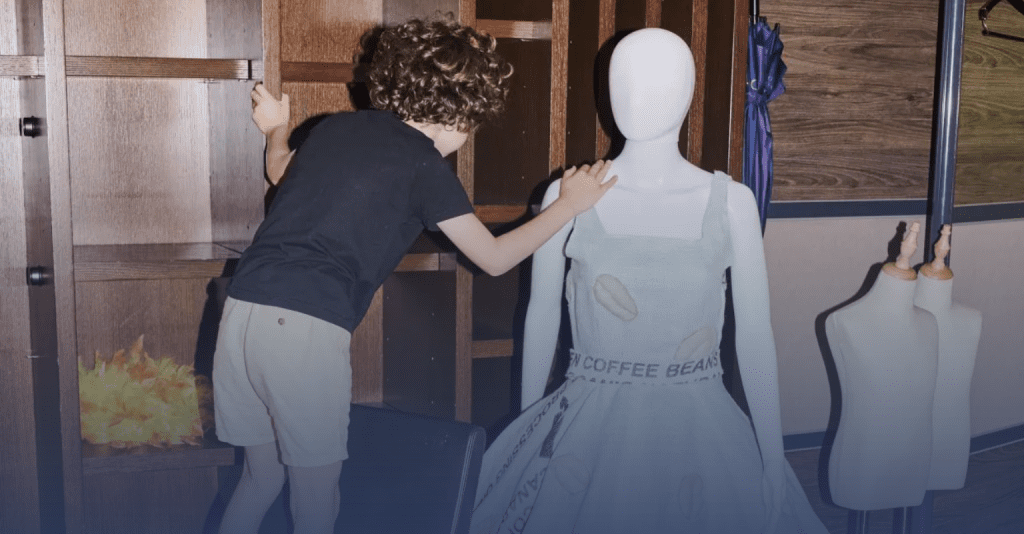
Among the many stages of creation, Max loves draping most — the moment when fabric begins to suggest its own possibilities. In draping, the dress is not forced into shape; it is discovered.
Not every material cooperates. His Aspen line, which experimented with burlap, proved especially challenging. Coarse and stubborn, it resists control — but challenge does not deter him. It invites experimentation.
Fearlessness, his mother observes, has always been part of his nature.
Seeing someone wear his work brings not pride, but joy.
“It makes me happy to see them happy,” he says.
Designing to Make Women Feel Beautiful
From the beginning, Max’s intention has been strikingly clear.
He wants women to feel beautiful.
He has never expressed interest in wearing the dresses himself. He does not design menswear. His focus remains steady: creating garments that help women of all sizes and ages feel confident, radiant, and seen.
His mother does not dispute the mission.
“He’s been saying it since he was four,” Madison says.
In an industry often driven by spectacle, novelty, or exclusivity, the simplicity of that purpose feels radical.
Beauty, in Max’s world, is not about trend or attention.
It is about how someone feels when they step into themselves.
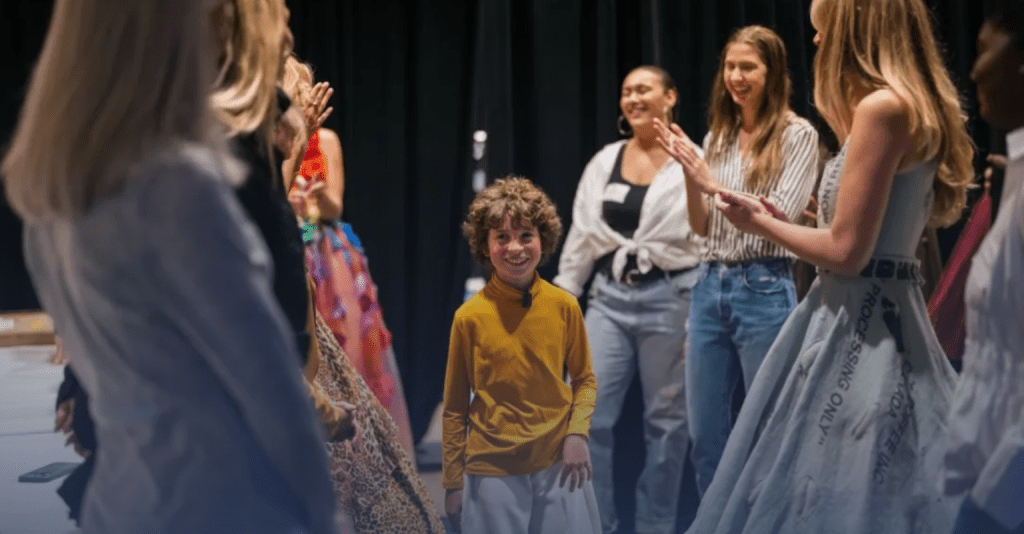
A Young Designer with an Independent Vision
When asked about his biggest dream for Couture to the Max, his answer was: an atelier, a store, and one day, a show in Milan.
His approach resists convention.
He creates what makes him happy.
He follows feeling over expectation.
He designs not for buyers, critics, or editors — but for the joy of making and the impact it has on the people who wear his work.
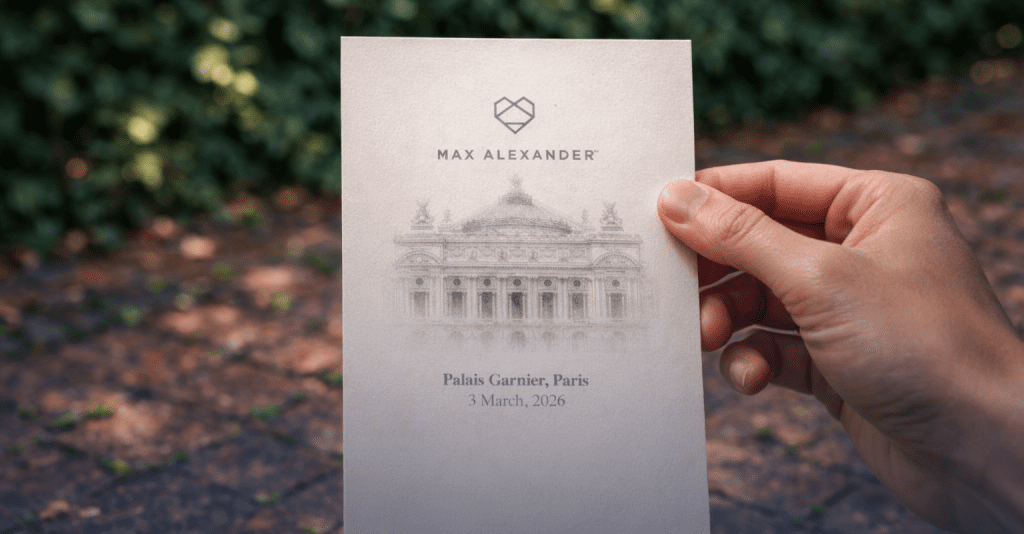
Paris: Where Imagination Meets History
On March 3, 2026, Max Alexander’s creations will appear on one of the world’s most storied stages: the Palais Garnier in Paris.
While the rest of Paris Fashion Week moves toward Fall/Winter, Max arrives with Spring — a reflection not of industry calendars, but of instinct. He designs what feels joyful, what feels alive.
Nearly ninety percent of the collection is crafted from surplus, deadstock, and thrifted materials. Several pieces are made from upcycled luxury dust bags. A subtle commentary on fashion’s excess and a reminder that beauty can emerge from what already exists.
The collection is built from love for the world around him.
From color.
From possibility.
From the belief that clothing can make someone feel seen.
For audiences, the show offers the rare chance to witness extraordinary craftsmanship from an unusually young designer. For Max, it is simply another step in a journey that began with a cardboard mannequin and an unwavering certainty.
What he hopes people discover in his work is not just beauty, but feeling — happiness, confidence, and the quiet magic of becoming yourself.
The world may see a prodigy.
But what unfolds in thread, color, and courage is something quieter: a reminder that imagination, when protected, can shape the future.
Follow El Brand for more stories that explore the people, sustainability, purpose, and quiet forces shaping culture, creativity, and the brands that move us.